 Better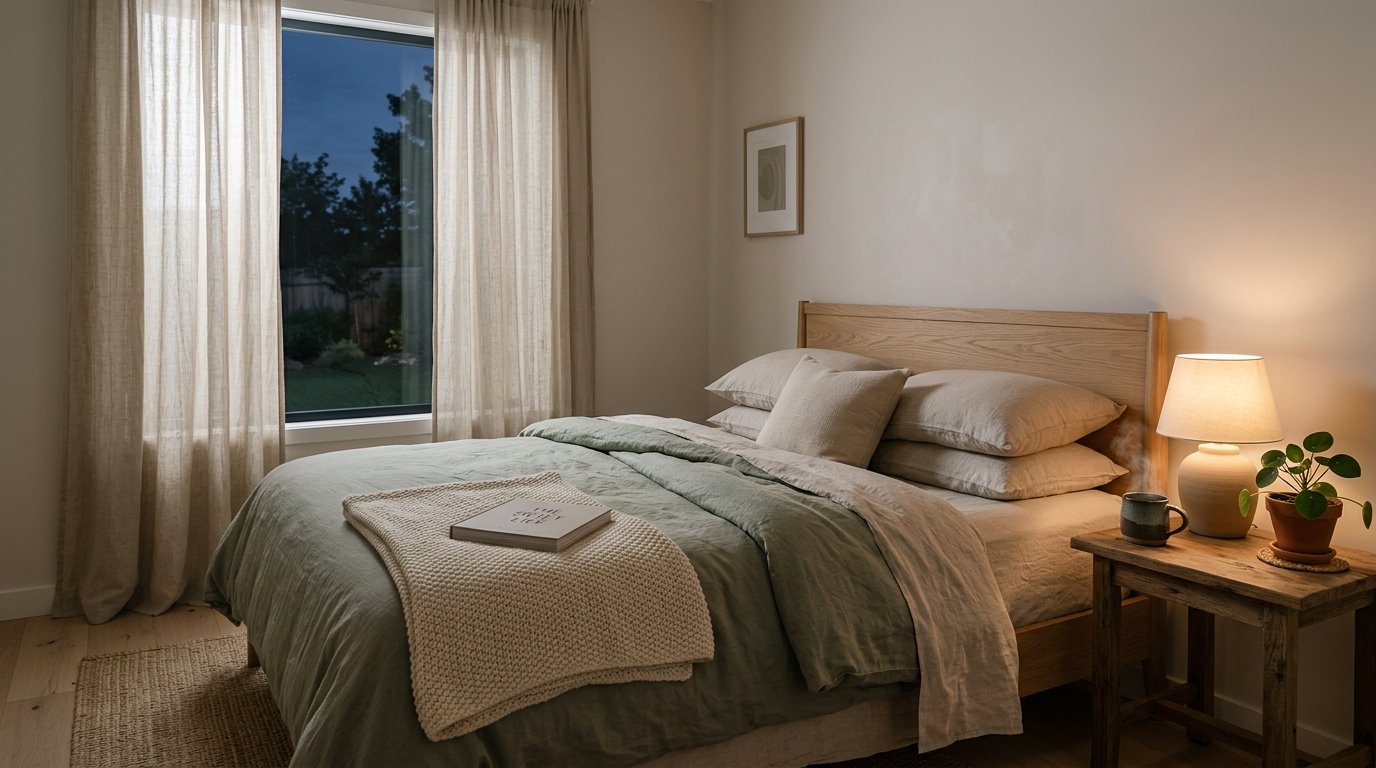
There is a specific kind of tired that has nothing to do with being awake. I know it well. You fall into bed after a long day, and instead of sleep, you get an hour of staring at the ceiling while your brain runs a highlight reel of every awkward thing you have said since 2019. If that sounds familiar, you are not broken. You are just running on bad sleep hygiene, and the good news is that this is one of the most fixable problems you have. You do not need a strict ten step program or a new mattress bill. You need a few small, evidence backed changes that actually work.
Sleep hygiene sounds clinical, but it really just means giving your body a fair chance to fall asleep and stay asleep. Around 30 percent of adults are not getting enough sleep, so if this is you, you have a lot of company (CDC, 2024). The research keeps pointing to the same handful of levers. Here are the ones that show up again and again.
Make Your Room a Sleep-Only Zone
Your brain is a creature of association. If your bed is where you scroll, work, and eat snacks, your brain stops treating it as a sleep trigger. Sleep experts recommend keeping the bed for sleep and intimacy only, so the moment your head hits the pillow, your body knows what is supposed to happen next.
The environment matters more than you think. A room that is cool, around 65 to 68 degrees Fahrenheit, tends to support deeper sleep (Harvard Health). Darkness matters too. Light tells your brain it is daytime and quietly blocks melatonin, so blackout curtains or a simple sleep mask can do a lot (Cleveland Clinic). Noise is the third piece. Heavy curtains, a rug, or a fan that provides steady white noise can mask the sounds that yank you out of a deep cycle.
Cut the Energy at the Right Time
Most of us consume caffeine every single day, and it lingers far longer than we give it credit for. Caffeine blocks the chemical that makes you sleepy, so a 3 p.m. coffee can still be interrupting your sleep at midnight. Research suggests that cutting caffeine off around noon markedly improves your odds of falling asleep at night (Baranwal et al., 2023). It sounds hard. Give it one week and feel the difference.
The other quiet saboteur is evening light, especially the blue glow from screens and overhead LEDs. Bright light in the evening keeps your melatonin low and pushes your body clock later (ScienceDirect). You do not have to go full dark ages. Just dim the lights an hour before bed and swap the doomscroll for a book or a calm playlist. And be honest about alcohol. It can knock you out, but a few hours later it becomes stimulating and chops up your REM sleep, the stage your brain needs to feel restored (Harvard Health).
Build a Wind-Down Ritual, Not a Checklist
The most powerful sleep hygiene habit is consistency. Going to bed and waking up at roughly the same time every day, even on weekends, trains your internal clock so that sleep starts to arrive on schedule (ScienceDirect). When researchers looked at people who did structured sleep hygiene, the difference was not subtle. One review found a drop of around 38 percent on measures of anxiety and depression among people who completed a structured sleep program (Sleep Science and Practice). Better sleep is not just about feeling less tired. It feeds your mood and your ability to handle stress.
None of this has to be complicated. Pick one small thing this week. Maybe it is dimming the lights an hour before bed, or moving your last coffee to before noon, or making your room a little cooler. That single change beats a grand overhaul every time, because the change you actually stick with is the one that works.
Try One Thing Today
Tonight, do this: set a timer for one hour before you want to sleep, and when it goes off, dim the lights, put the phone in another room, and pick up a book or do a few slow stretches. That is it. Do it tonight, and again tomorrow, and let your brain start relearning that the dark means it is time to rest. Sleep is not a luxury you have to earn. It is a foundation, and you deserve to build it on something solid.
Sources
- Harvard Health, “Sleep hygiene: Simple practices for better rest.”
- Cleveland Clinic, “Rest Easy: 8 Ways To Improve Your Sleep Hygiene.”
- Sleep Foundation, “Mastering Sleep Hygiene.”
- King’s College London EDIT Blog, “6 Evidence Based Ways to Improve Sleep Quality.”
- Roy, Maiti & Banik, “Sleep hygiene: foundations, implications, and strategies,” Sleep Science and Practice (2026).
- ScienceDirect, “Sleep physiology, pathophysiology, and sleep hygiene.”