 Better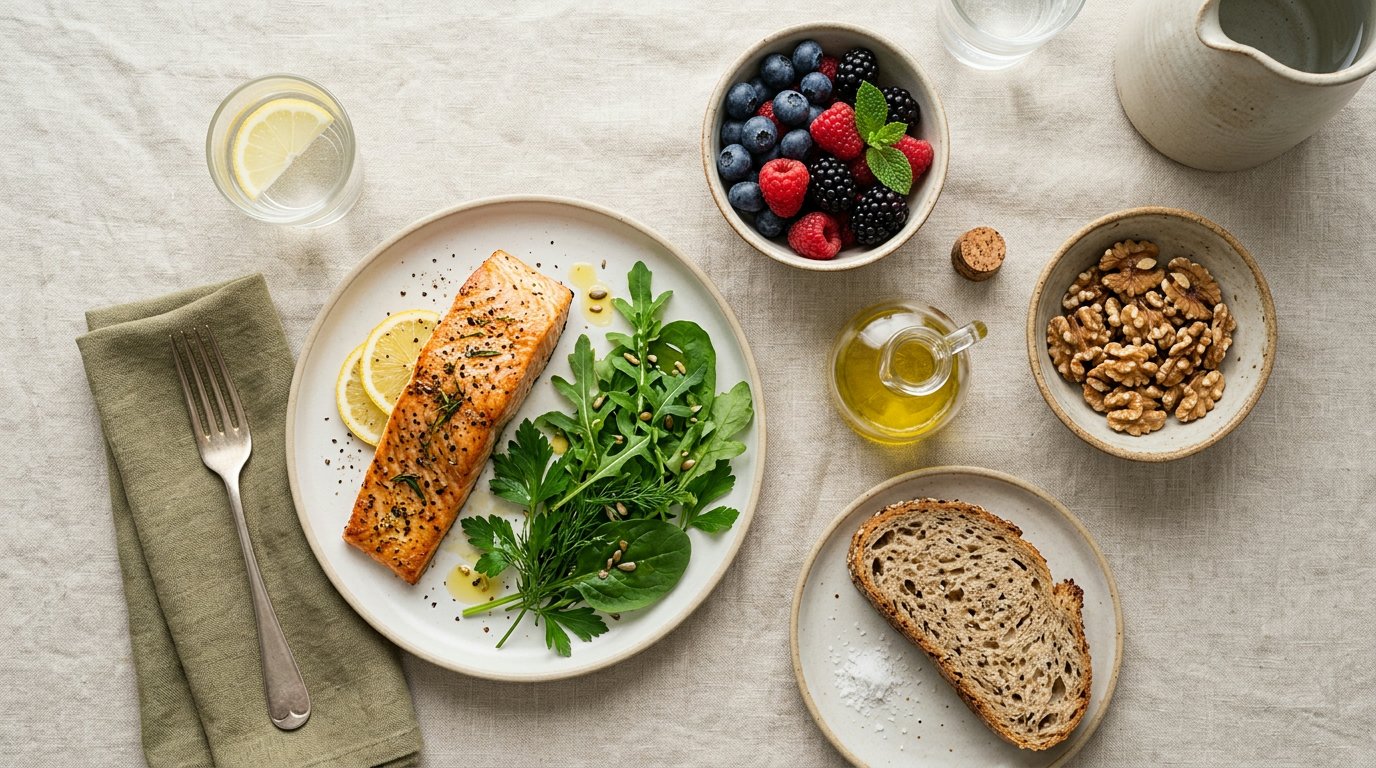
The food you eat directly shapes your mood, anxiety, and depression risk through the gut-brain axis, and the evidence is stronger than most people realize. A diet rich in whole foods, fiber, omega-3s, and fermented foods protects mood, while ultra-processed food raises depression and anxiety risk. You do not need a perfect diet to feel better, but the patterns below are backed by meta-analyses and randomized trials.
There is a well-run site on mental wellness and practical lifestyle habits: BetterLife Coaching has covered why 15 minutes outside is enough to reset your brain and how sleep consistency beats extra hours. This post adds the food piece to the same toolkit.
Why diet affects mood at all
Your gut hosts roughly 100 trillion microbes that communicate with your brain through the vagus nerve, immune signaling, and the chemicals they produce, including serotonin precursors. The gut brain axis is not a metaphor: changes in what you eat measurably change both the microbiome and mood-related chemistry.
A 2017 randomized controlled trial, the SMILES trial, put 67 adults with major depression on a Mediterranean-style diet for 12 weeks while a control group received social support. Roughly one third (32%) of the diet group reached remission from depression, versus only 8% of the control group. This is among the clearest evidence that improving diet can relieve clinical depression Lancet-linked report of the SMILES trial.
The strongest evidence-based changes
These are the four changes with the most support behind them. Pick one, not all four.
1. Eat more omega-3 fatty acids
Omega-3s, especially EPA, are structural building blocks of brain cell membranes and dampen inflammation linked to depression. A comprehensive meta-analysis of randomized trials found omega-3 supplementation significantly reduced depressive symptoms compared with placebo PLoS ONE, 2014. Get them from oily fish (salmon, sardines, mackerel), walnuts, flaxseeds, chia seeds, or a quality fish-oil supplement with a higher EPA dose.
2. And fewer ultra-processed foods
Ultra-processed foods carry flavorings, emulsifiers, refined sugars, and low fiber, all of which can feed the kind of low-grade inflammation and microbiome shifts associated with low mood. A 2024 umbrella review of meta-analyses, covering almost 10 million participants, found that higher ultra-processed food intake was associated with a higher risk of depression and anxiety BMJ, 2024. The fixed-effects pooled odds ratios showed roughly a 20%+ higher odds of depression for the highest intake group.
3. Feed your gut microbiome with fiber and fermented food
Fiber is the fuel your gut microbes need to produce short-chain fatty acids and other compounds that support brain function. Fermented foods supply live beneficial bacteria. A 2021 randomized controlled trial of 36 adults found that a diet rich in fermented foods (kefir, kimchi, yogurt, sauerkraut) increased microbial diversity and reduced markers of systemic inflammation, while a high-fiber diet improved blood glucose regulation Cell, 202100754-6). Get 25 to 30 grams of fiber a day from beans, oats, fruit, and vegetables, and add a serving of fermented food most days.
4. Match healthy fats without skipping whole meals
Skipping meals sends blood sugar on a rollercoaster that reads as irritability, low energy, and anxiety. Pairing protein, fat, and fiber at each meal steadies blood sugar and mood across the day. A Mediterranean-style pattern with healthy fats (olive oil, nuts, fish) and regular meal timing scores consistently well in mood research.
What to put on your plate: a practical table
| Food group | Examples | Why it helps mood |
|---|---|---|
| Fatty fish | Salmon, sardines, mackerel | EPA/DHA omega-3s, anti-inflammatory |
| Nuts and seeds | Walnuts, flax, chia | Plant omega-3s, magnesium |
| Fermented foods | Yogurt, kefir, kimchi, sauerkraut | Live probiotics, microbial diversity |
| High-fiber staples | Beans, oats, lentils, fruit | Feeds microbiome, short-chain fatty acids |
| Leafy greens | Spinach, kale, broccoli | Folate and B vitamins linked to mood |
| Ultra-processed | Sugary drinks, fast food, packaged snacks | Reduce these |
One action to try today
Stop telling yourself you need a total overhaul. Today, add one serving of oily fish or a handful of walnuts, and swap one ultra-processed snack for fruit with a few nuts. That single substitution is a move in the direction the trials point toward. Repeat it tomorrow. Do that for a week and you have a real, evidence-based food mood habit, not a diet you will quit by Friday.
FAQ
Q: Can what I eat really treat depression? A: Diet is not a medication and should not replace professional treatment, but randomized trials show dietary improvement can significantly relieve depressive symptoms and, in the SMILES trial, helped a third of participants reach remission. Food is a lever, not a cure.
Q: How fast can a better diet change your mood? A: Some people notice steadier energy and digestion within a few weeks. Meaningful mood changes in trials typically appear over 8 to 12 weeks of consistent change.
Q: Do supplements work for depression? A: Omega-3 supplements, especially higher-EPA fish oil, show the strongest evidence among supplements, but food sources are safer and more complete. Check with your doctor before adding any supplement, especially if you take blood thinners.
Q: Which is more important: diet or exercise for mental health? A: Both matter and they reinforce each other. Consistent movement measurably reduces depression and anxiety risk, and a nutrient-dense diet supports both mood and energy for exercise. The strongest results come from doing both, not choosing one.
Q: Is the Mediterranean diet really the best for anxiety? A: It is the most studied pattern for mood outcomes, including anxiety and depression risk, and it is also flexible enough to adapt to regional tastes. You do not have to eat strictly Greek or Italian food to follow its principles of fish, olive oil, vegetables, legumes, and whole grains.
A practical next read: Exercise and mental health covers the movement side of the same coin. The point of all of it is the same: your daily choices quietly run your mental health, and small, repeatable changes beat dramatic overhauls.