 Better
Diet for Mental Health: What the Science Actually Says About Food and Mood
The food you eat and the way you feel are connected, and the evidence is no longer a fringe idea: improving what you eat can measurably reduce symptoms of depression and anxiety. This is the working conclusion of nutritional psychiatry, a field that treats diet quality as a real lever for mental health, not a wellness trend. The research is specific enough to act on today.
What you eat influences your mood through several verified mechanisms, and the strongest evidence now points to two practical rules: add more whole plant foods and cut back on ultra-processed food. Neither requires a perfect diet. Small, consistent changes carry the effect.
The randomised trial that changed the field
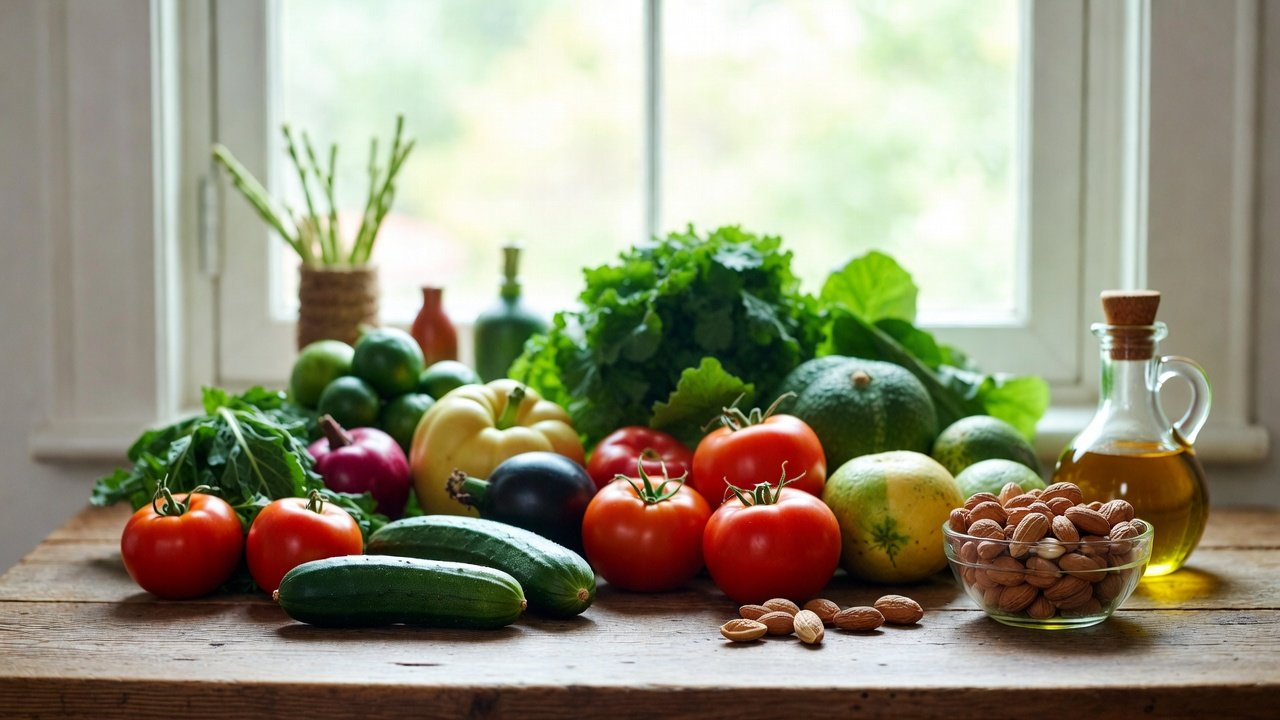
The SMILES trial, a randomised controlled trial published in BMC Medicine, put 67 adults with moderate to severe depression on a 12-week dietary improvement program guided by a clinical dietitian, while a matched control group received social support instead. The diet group followed a modified Mediterranean pattern rich in vegetables, fruit, whole grains, legumes, fish, nuts and olive oil, with strict limits on sweets, fried food, fast food, processed meats and sugary drinks.
By 12 weeks the dietary group’s depression scores fell significantly more than the control group’s, with a large effect size of 1.16. Remission, meaning moving below the clinical threshold, was reached by 32.3% of the diet group versus 8.0% of the control group, a number needed to treat of 4.1. These effects held even after accounting for changes in weight, physical activity, smoking and self-efficacy. The improvement was tied to actual diet change, not to attention from the researchers.
What the intake of ultra-processed food predicts
Observational evidence tells the other side of the story. A systematic review and meta-analysis of 17 studies covering 385,541 participants found that greater consumption of ultra-processed food was associated with higher odds of depressive and anxiety symptoms, with a combined odds ratio of 1.53. When prospective studies were pooled, higher ultra-processed food intake was linked to an increased risk of developing depression later, with a hazard ratio of 1.22.
The label covers more than junk food. Ultra-processed foods are industrial formulations with five or more ingredients, often including additives rarely used in a home kitchen: preservatives, colourings, sweet and savoury packaged snacks, instant soups and noodles, processed meats, sugary drinks. They make up a notable share of daily energy intake in many countries, which is why reducing them is a realistic target rather than a perfectionist demand.
How diet moves the brain: three working mechanisms
Researchers do not claim food heals every mental health problem, or that it replaces therapy or medication. But they document consistent pathways that make diet quality matter:
- Inflammation. Ultra-processed foods and excess refined sugar can drive low-grade systemic inflammation, which is linked in turn to depressive symptoms. Anti-inflammatory dietary patterns, such as the Mediterranean diet, keep this in check.
- Gut microbiome balance. Fibre from whole plant foods feeds the gut bacteria that produce compounds that support brain function. Processed diets starve those microbes of the fuel they need.
- Blood glucose stability. Frequent refined-carb and sugar spikes and crashes can worsen mood swings, irritability and fatigue, while fibre, protein and healthy fat flatten the curve.
These mechanisms explain why a single “brain food” does not exist. The benefit comes from the overall pattern, which is good news because it means you can build it with foods you already like.
The practical pattern, not a diet plan
You do not need to follow a strict protocol. The SMILES diet was designed for a clinical trial; the everyday version is simpler.
| Do more | Do less |
|---|---|
| Vegetables, especially dark leafy greens | Ultra-processed snacks and instant meals |
| Fruit, whole grains and legumes | Sugary drinks and refined sweets |
| Fish, nuts and olive oil | Processed and fried meats |
| Water and unsweetened drinks | Junk food binges under stress |
A useful first step is to pick one slot: swap one snack a day for a piece of fruit and a handful of nuts, or add a serving of vegetables to one meal. Consistency beats intensity. The people who saw the biggest mood benefits were the ones who genuinely changed their eating over several weeks, not those who followed a perfect plan for a day.
FAQ
Can changing my diet replace my antidepressant or therapy? No. The research shows diet improvement works as an adjunct, and the trials enrolled people already receiving standard care. Never stop medication or therapy on your own. Use diet as a complement you can control alongside professional support.
How long before diet changes affect mood? Benefits in the SMILES trial emerged over the 12-week study period. Most people notice shifts in energy and steadier moods within a few weeks of consistent change, but lasting effects build over a month or more.
Do I have to cut out all junk food? No. The evidence links higher intake to higher risk, so the goal is reducing frequency, not eliminating enjoyment forever. The 3-per-week limit on “extras” in the trial is a workable reference point, not a rule.
Is the Mediterranean diet the only pattern that helps? It is the most studied, but the principle is broader: a diet high in whole plant foods and low in ultra-processed food. You can apply the same idea to any cuisine you cook at home.
Will this help with anxiety as well as depression? The meta-analytic evidence shows associations with both. The mechanisms that support mood, stable blood sugar, lower inflammation and a healthy gut, apply to anxiety symptoms too.
One thing to try today
Add one serving of vegetables and one serving of fruit to your next meal, and leave out one ultra-processed item you normally reach for. That is the whole assignment. Repeat it for a week, and treat it as data on how it makes you feel. The science says a better diet is one small change you can stack into a genuinely better state of mind.
Sources: Jacka et al., A randomised controlled trial of dietary improvement for adults with major depression (SMILES trial), BMC Medicine 2017. Lane et al., Ultra-Processed Food Consumption and Mental Health: A Systematic Review and Meta-Analysis of Observational Studies, Nutrients 2022.